
a Comprehensive Oil-Palm Ganoderma
Rhizosphere Treatment and Management Solution.
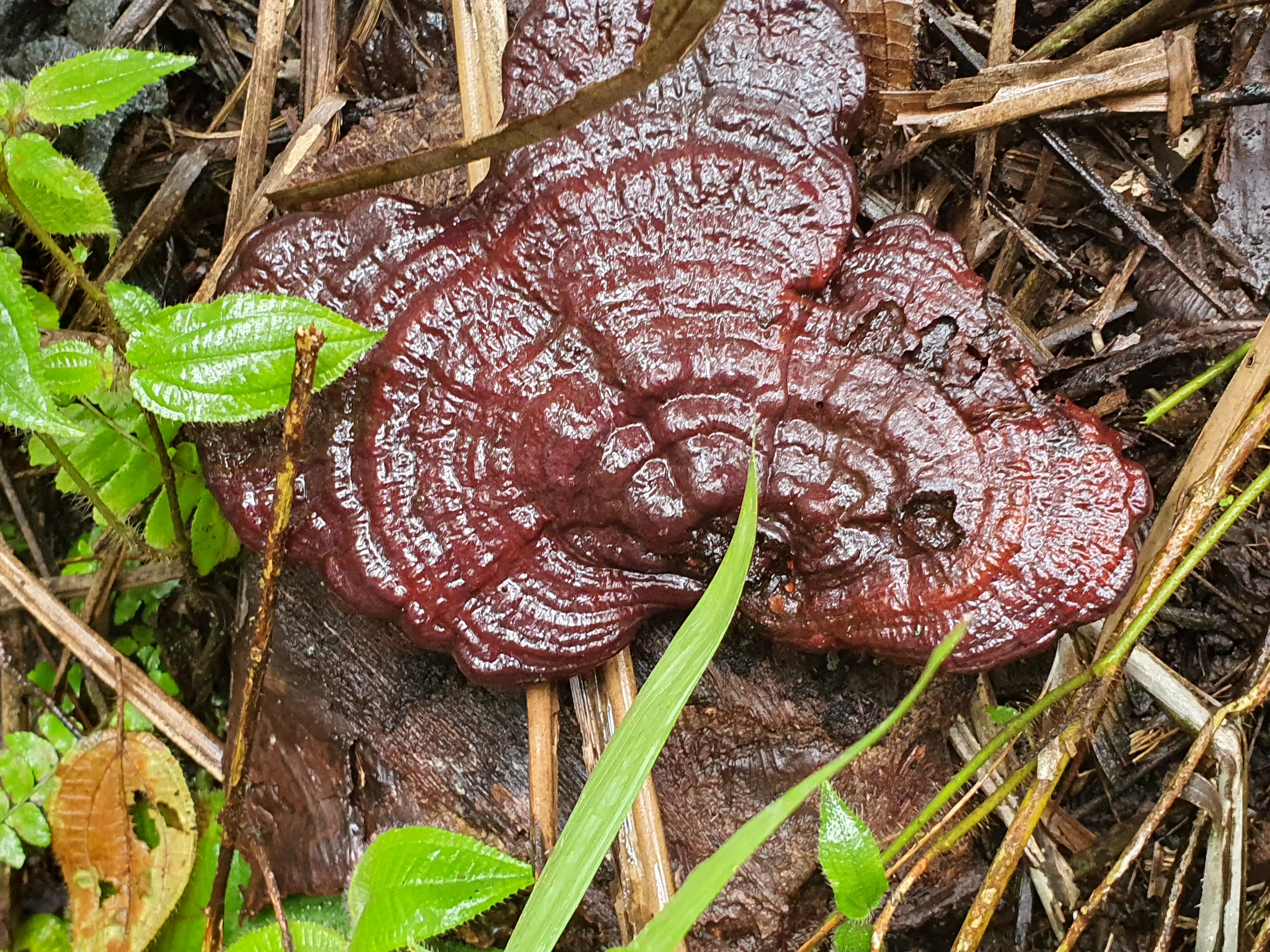
You already know what Ganoderma does.The real question is why estates are still losing palms to it after decades of treatment. Because the problem is bigger than one infected palm — and bigger than one product. The disease keeps returning when the conditions supporting it remain unchanged. Treat the symptom, and you may only buy time. Change the conditions, and you begin to change the outcome. That is the problem we set out to solve.
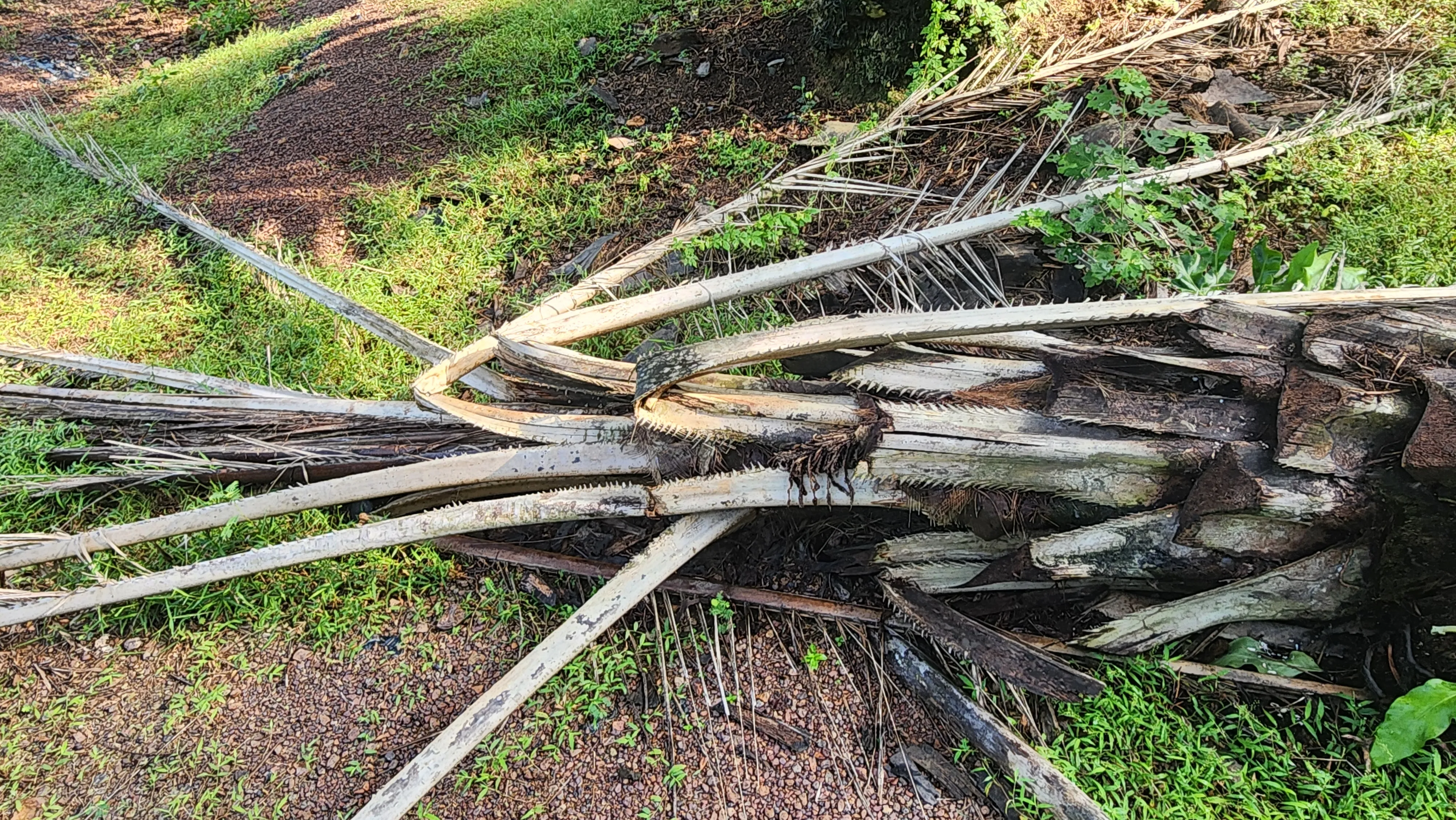
The palm is gone. So is the yield it was meant to produce. So are the years already invested in growing it. The empty space now remains as a permanent loss inside the estate. And one fallen palm may be telling you more about the surrounding field than the tree itself. Ganoderma becomes expensive long before replanting begins. The real question is how many more palms are already moving in the same direction.
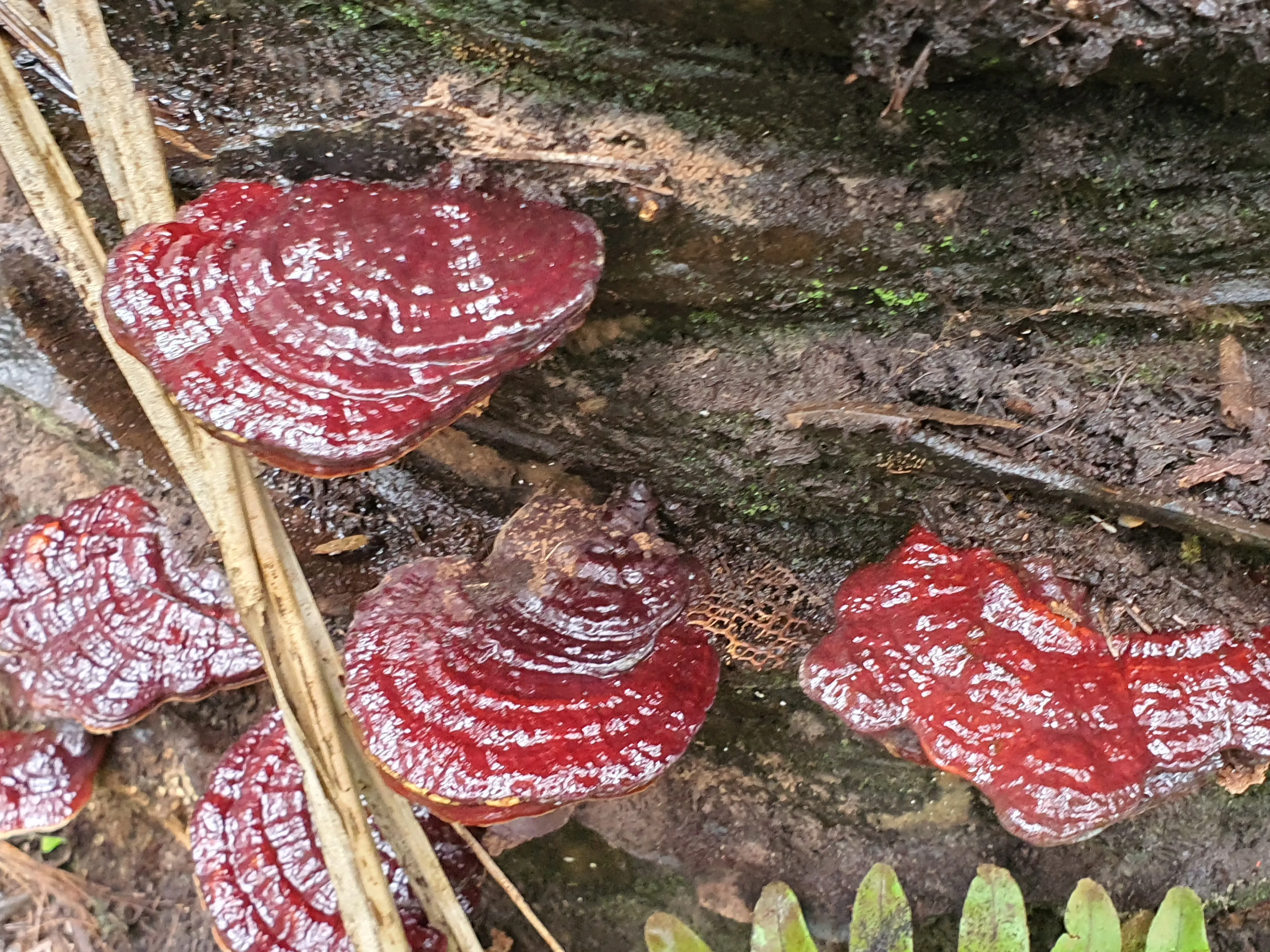
The palm has already entered a very different stage of disease. Surface treatment cannot reverse what has already happened inside the trunk. Removing the mushroom may clean the appearance, but it does not change the condition of the palm. At this stage, the real concern is how much structural damage has already occurred — and what risk now remains around it. This is where treatment must give way to judgement. Knowing when a palm can still be managed — and when it has already been lost — is part of Ganoderma management.
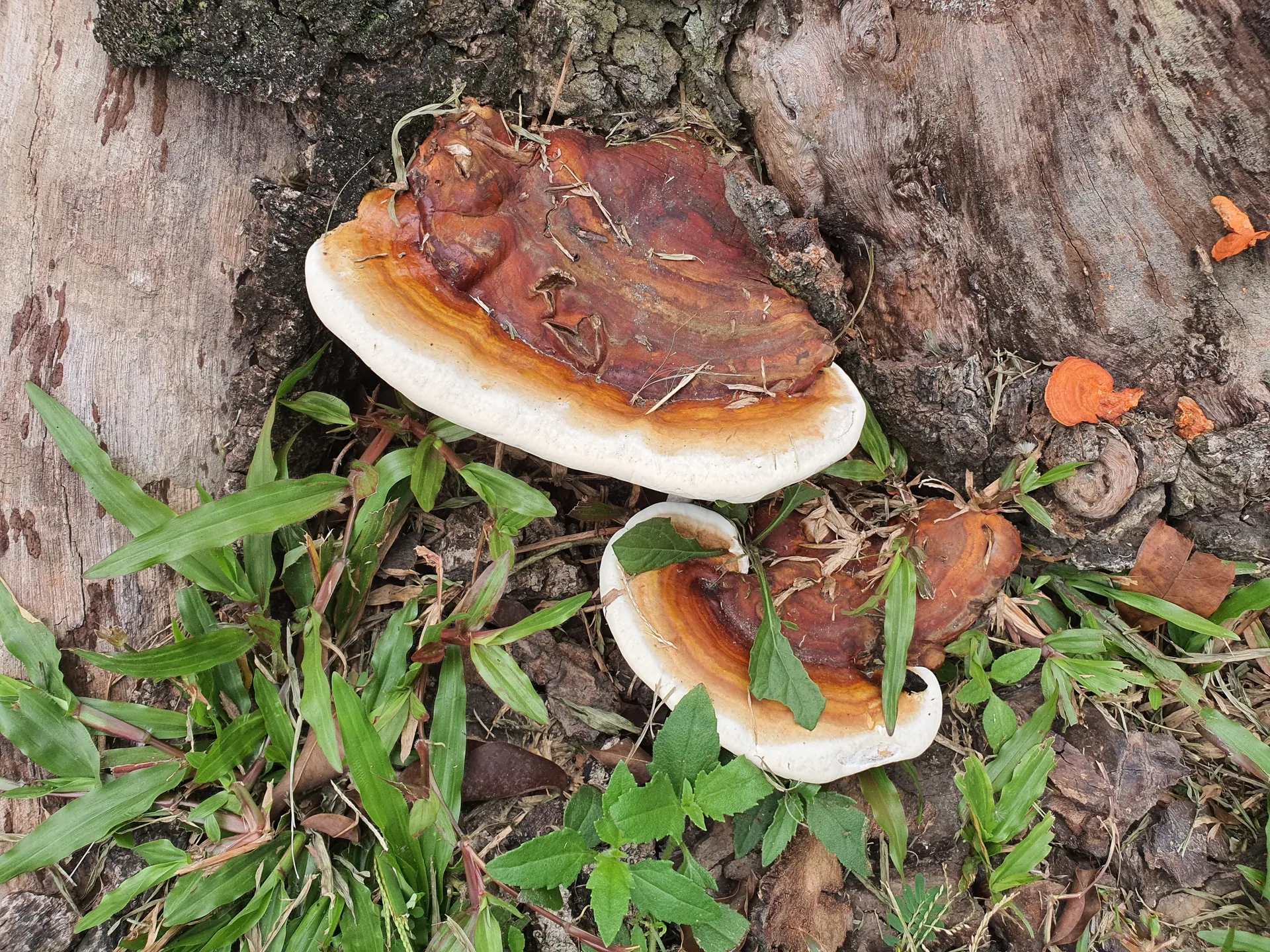
You sprayed. You broadcast. You removed infected palms. Yet the problem returned. Because Ganoderma was never only a problem on the palm you could see. The old roots remain. The infected biomass remains. The weakened root zone remains. The same soil, water, nutrition and plantation conditions continue into the next cycle. Treating one part while leaving the rest unchanged only resets the clock. After decades of products, programmes and repeated treatments, many estates are still losing the same battle. The problem is no longer a shortage of treatments. It is the absence of a complete strategy.
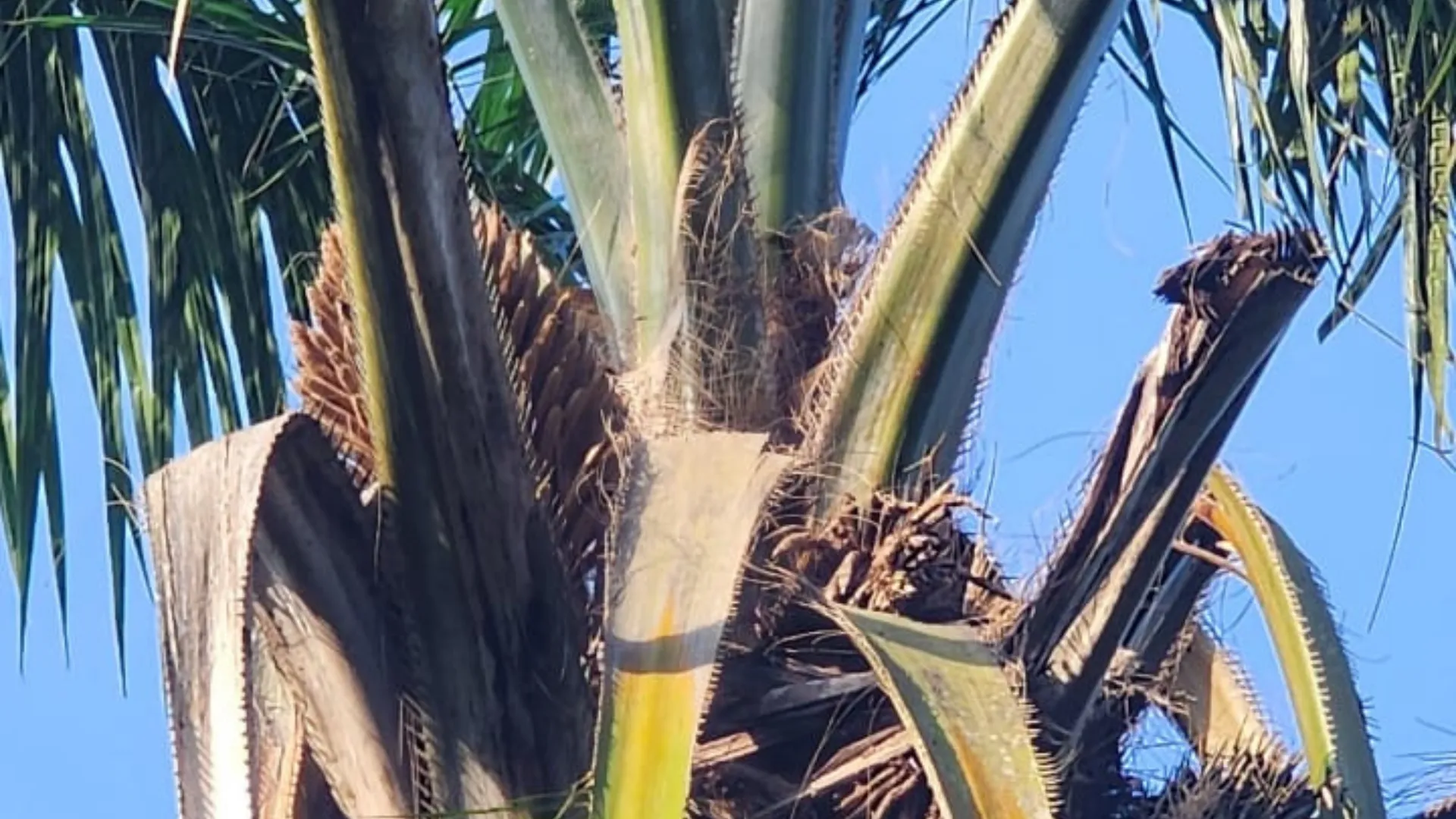
Eight-year-old palms can collapse while still looking productive only months earlier. Peat soil or hilly land does not make an tree immune at all. Even Young plantings are not protected simply because the field is new. Nursery Seedlings & material is no guarantee that Ganoderma has been excluded from the system. Old infected roots, buried biomass and repeated planting cycles can carry the disease forward again and again. Every new generation of palms can inherit a battlefield that was never properly cleared. If young productive palms are already falling, then the battle is being lost much earlier than most estates realise.
“FOR DECADES, WE HAVE BEEN ASKING HOW TO KILL GANODERMA. PERHAPS THE MORE IMPORTANT QUESTION IS: WHY DOES THE PALM KEEP LOSING?”
Ganoderma has been treated mainly as a fungus to be suppressed. But the outcome is also decided by the palm, its roots, its nutrition, its water status, its surrounding biology and how the field is managed. A stressed palm and a well-supported palm do not face the same battle. A damaged root system and an active root system do not respond the same way. A weak biological environment and a competitive one do not favour the same outcome. So the real task is not only to reduce Ganoderma pressure — but to change the entire condition in which the palm and the fungus are competing. That is the part conventional Ganoderma management has never addressed deeply enough.
THEY ARE WHERE THE BATTLE IS FIRST DECIDED.
The mushroom shows only a tiny visible part of the problem.
Below ground, Ganoderma can continue through infected roots, buried woody material and connected sources of infection far beyond what we see at the palm base.
The root zone is therefore not merely an entry point.
It is where water uptake, nutrition, new root growth, biological competition and the palm’s ability to respond all come together.
Two neighbouring palms can face the same disease pressure — yet decline very differently.
So the question is not only how much Ganoderma is present.
The more important question is:
What condition is the palm and its root system in when Ganoderma challenges it?
Because if we want to change what happens above ground,
we must first change the battle below ground.
If we want a different outcome above ground, we may first have to create a very different environment below it.
IT FEEDS ON IT.
Once Ganoderma establishes itself, the palm becomes part of its food source.
It progressively breaks down the very tissues the palm has spent years building.
Stored energy, structural material and living resources are being consumed while the palm is still trying to grow, flower and carry fruit.
At the same time, damaged roots and internal tissues begin losing their ability to move water and nutrients efficiently.
So the palm is fighting two battles at once.
It must continue feeding its canopy, producing flowers and filling bunches — while supporting an invading organism that is consuming and damaging it from within.
This is why an infected palm can remain standing, yet progressively lose vigour and productive capacity.
And it raises a much more important question:
If Ganoderma is continuously draining the palm, should our strategy only attack the fungus — or should we also strengthen, replenish and accelerate the palm itself?
For decades, we have measured fertility largely by what nutrients are present — and what fertiliser needs to be added.
NPK, magnesium, boron and other nutrients are essential. But supplying nutrients does not automatically create a healthy root environment.
A soil can contain nutrients and still have poor aeration, weak structure, low organic carbon, unsuitable pH, poor water movement or damaged feeder-root activity.
And this distinction matters:
APPLICATION IS NOT AVAILABILITY.
AVAILABILITY IS NOT UPTAKE.
UPTAKE IS NOT UTILISATION.
A fertiliser programme can therefore look correct on paper while the palm continues to struggle physiologically.
True soil health is the ability of that soil to continuously support active roots, water movement, nutrient exchange, biological activity and efficient nutrient cycling.
Under Ganoderma pressure, this becomes even more important.
We should not only ask, “What nutrients did we apply?”
We should ask:
“What kind of living environment have we created for the palm to function in?”
Because a palm does not grow from fertiliser alone. It grows from a functioning soil system.
For decades, plantation nutrition has largely revolved around familiar elements such as Nitrogen, Phosphorus, Potassium, Magnesium, Calcium, Sulphur, Boron, Zinc, Copper and Iron.
All are important.
But when fertile topsoil, organic matter and natural soil structure are lost, these ten elements alone cannot recreate what disappeared.
We remove a complex living soil — then expect compounds and granules to replace the entire system.
The palm may continue growing. The leaf analysis may even appear acceptable.
But is the palm truly optimally nourished?
Natural soils contain a far wider spectrum of minerals, organic compounds, biological activity and chemical interactions than conventional fertiliser programmes normally address.
The missing issue may not always be fertiliser deficiency.
It may be nutritional incompleteness.
And under disease pressure, that difference can become critical.
Healthy soil is not merely sand, clay, organic matter and fertiliser.
Around every active root exists an enormous living community — bacteria, Actinobacteria, archaea, fungi, yeasts, protists, viruses and bacteriophages, interacting continuously with the palm and with one another.
Modern soil science is beginning to understand something agriculture underestimated for decades:
The root is not fighting pathogens alone. It is fighting together with an ecosystem.
Some microorganisms compete with Ganoderma for space and nutrients.
Some produce compounds that inhibit competing fungi.
Some attack fungal structures directly.
Others influence nutrient cycling, stimulate new root development, occupy infection sites or trigger the palm's own defence responses.
And these organisms do not work as isolated species. Their strength comes from the network they form around the root.
This is why simply pouring a few commercial microbes into damaged soil is not enough.
Our objective must be much larger: rebuild the conditions in which a diverse, active and competitive microbiome can establish, multiply and function around the palm.
Oil-palm research has already shown that when naturally suppressive soil was sterilised and its indigenous microbial community disrupted, Ganoderma disease became dramatically more severe.
That should make us ask a difficult question:
Have years of soil disturbance, chemical dependence and declining organic biology progressively removed part of the palm's natural defence system?
If so, asking the palm to fight Ganoderma without rebuilding that biology is like sending it into battle after taking away part of its army.
Fungicides can suppress fungi — but only where they actually reach.
Ganoderma established deep inside roots, basal tissues and woody structures is not the same as fungus growing on a laboratory plate.
SPRAYING THE MUSHROOM IS NOT TREATING THE DISEASE.
Surface spraying and routine chemical broadcasting cannot guarantee that an effective dose reaches the entire infection inside the palm.
And repeated fungicide exposure creates another problem.
The soil contains beneficial fungi, bacteria, Actinobacteria and other microorganisms that compete, interact and help protect the root environment.
FUNGICIDE DOES NOT KNOW WHICH FUNGUS YOU WANT DEAD.
Repeated applications can disturb this biological community — the very defence system we are trying to rebuild around the palm.
Some systemic fungicides may slow disease progression or prolong palm survival.
SLOWING GANODERMA IS NOT THE SAME AS SOLVING GANODERMA.
Fungicide does not rebuild damaged roots.
It does not restore the microbiome.
It does not correct nutrition.
It does not strengthen palm physiology.
It does not rebuild the biological battlefield.
WE KEEP ATTACKING THE FUNGUS — WHILE WEAKENING THE ENVIRONMENT THAT SHOULD HELP THE PALM FIGHT IT.
The approach has to change.
GANODERMA MANAGEMENT MUST MOVE BEYOND FUNGICIDE.
A functioning rhizosphere is not Trichoderma alone. Bacillus alone. Or one commercial microbial bottle.
Healthy soil contains overlapping communities performing different jobs simultaneously.
Among the important families encountered across plant rhizospheres and disease-suppressive soils are:
They do not all perform the same function.
Some mobilise nutrients.
Some transform nitrogen.
Some release phosphorus.
Some produce siderophores and antimicrobial compounds.
Some attack fungal structures.
Some compete intensely for food and root space.
Some form mycorrhizal partnerships extending the effective feeding area of roots.
Others communicate directly with the plant and influence its defence responses.
THE POWER IS NOT IN ONE MICROBE.
THE POWER IS IN THE COMMUNITY AND THE FUNCTIONS IT RECREATES.
Our objective is therefore not simply to inoculate soil.
It is to rebuild the conditions, diversity and biological interactions from which a protective rhizosphere can develop.
Because Ganoderma should never be allowed to compete against a palm standing biologically alone.
WE ARE NOT TRYING TO ADD MICROBES. WE ARE TRYING TO RECREATE THE CONDITIONS IN WHICH A PROTECTIVE MICROBIOME CAN LIVE, MULTIPLY AND FUNCTION.
IT IS PART OF THE PALM'S DEFENCE CHEMISTRY.
Oil palm agronomy has seriously underestimated sulphur.
And the first mistake is assuming that sulphur present in the soil means sulphur available to the palm.
Elemental sulphur must first be biologically oxidised into sulphate — the form the roots can actually absorb.
Only then does the real chemistry begin.
Inside the palm, sulphur is converted into cysteine, methionine, glutathione, proteins, enzymes, co-factors and other compounds involved in metabolism and stress defence.
GLUTATHIONE IS PARTICULARLY IMPORTANT.
It is one of the palm's major cellular antioxidant and redox defence systems — helping cells manage the oxidative stress created during pathogen attack.
Sulphur metabolism is also tightly connected to nitrogen metabolism.
Without adequate available sulphur, the palm cannot efficiently convert all the nitrogen supplied into proteins and functioning plant tissue.
THIS IS WHY ADDING MORE NITROGEN DOES NOT NECESSARILY MEAN BUILDING A STRONGER PALM.
Sulphur also interacts with iron, zinc, copper, manganese, molybdenum, boron and phosphorus through nutrient uptake, enzyme activity, transport and metabolic processes.
In the soil, biological oxidation of elemental sulphur can also change local chemistry and increase the availability of phosphorus and certain micronutrients that were previously poorly available.
But sulphur alone is not the answer.
SULPHUR NEEDS A FUNCTIONING BIOLOGICAL SYSTEM — AND THE RIGHT COMPANION ELEMENTS — TO COMPLETE ITS WORK.
This is why we do not approach sulphur as a single fertiliser input.
We look at sulphur availability, sulphur-oxidising organisms, nitrogen balance, micronutrient co-factors, root uptake and the metabolic condition of the palm together.
There is another dimension that should not be ignored.
Elemental sulphur has been used as a fungicide for centuries, and plants themselves are known in some species to accumulate elemental sulphur as part of their natural antifungal defence.
SO SULPHUR SITS AT AN EXTRAORDINARY CROSSROAD:
NUTRITION • METABOLISM • NITROGEN UTILISATION • ANTIOXIDANT DEFENCE • MICRONUTRIENT FUNCTION • AND ANTIFUNGAL BIOLOGY.
Our field observations in Ganoderma-affected palms have taken this understanding even further.
Changes in Ganoderma fruiting, palm vigour, flowering behaviour and fruit development following intensive sulphur-based programmes are observations we believe deserve much deeper attention.
THE QUESTION IS NO LONGER: “DID WE APPLY SULPHUR?”
The real question is:
DID WE DELIVER THE RIGHT FORM OF SULPHUR, WITH THE RIGHT BIOLOGICAL AND MINERAL PARTNERS, SO THE PALM COULD ACTUALLY USE IT?
Cobalt is rarely discussed in commercial oil-palm nutrition.
Yet cobalt is known to influence ethylene metabolism, senescence, stress response, microbial activity and reproductive behaviour in plants.
At low, appropriate levels, it has been associated in other crops with delayed ageing, improved growth, stronger reproductive performance and better yield expression.
This raises an important question for oil palm:
Are we feeding palms for growth — while overlooking trace elements that may influence how long they remain physiologically active?
Cobalt also supports important microbial functions in the soil and rhizosphere.
Our own field observations have made us look much more seriously at its possible role in palm longevity, fruit development and resilience under Ganoderma pressure.
Cobalt is not a stand-alone solution.
But it may be one of the missing pieces conventional oil-palm nutrition has largely ignored.
For generations, fertiliser has been scattered around the palm and left to depend on rainfall, dissolution and uncertain movement through the soil.
That is not enough for a palm under Ganoderma stress.
Our approach is high-volume delivery.
The estate's normal fertilisers can be incorporated into the programme, dissolved where technically suitable, balanced with the required mineral and biological admixtures, and delivered directly into the active root zone.
For mature palms, treatment volumes may approach 200 litres per palm, adjusted to soil condition and infiltration.
The objective is to penetrate beyond the surface and reach the feeder-root zone, basal region and surrounding soil mass where recovery must begin.
Where required, the trunk and canopy are treated as part of the same whole-palm programme.
The treatment chemistry is designed to react within the soil and move the root environment toward approximately pH 6.2–6.5, where many nutrients become more readily available to the palm.
WHAT CHANGES?
Faster nutrient availability.
Less dependence on unpredictable rainfall.
Better distribution through the root zone.
Improved water delivery during periods of stress.
Normal fertiliser inputs can be incorporated into the same programme.
Fewer separate fertiliser operations.
Lower repeated field labour.
Greater control over what is actually delivered to each palm.
Root-zone treatment and Ganoderma management happen together.
Palm nutrition, recovery and disease pressure are no longer managed as separate jobs.
During active Ganoderma stress, the programme can be repeated approximately every three months, adjusted according to palm condition and field response.
In our own field observations, intensive root-zone treatment has sometimes been followed by Ganoderma fruiting from previously unseen locations — revealing infection activity that was not obvious at the surface.
That observation is something we continue to study carefully.
THIS IS NOT ANOTHER FERTILISER ROUND.
It is a different way of delivering nutrition, water, biological support and Ganoderma management to the whole palm.
DISSOLVE IT. BALANCE IT. DRENCH IT. DELIVER IT WHERE THE PALM CAN USE IT.
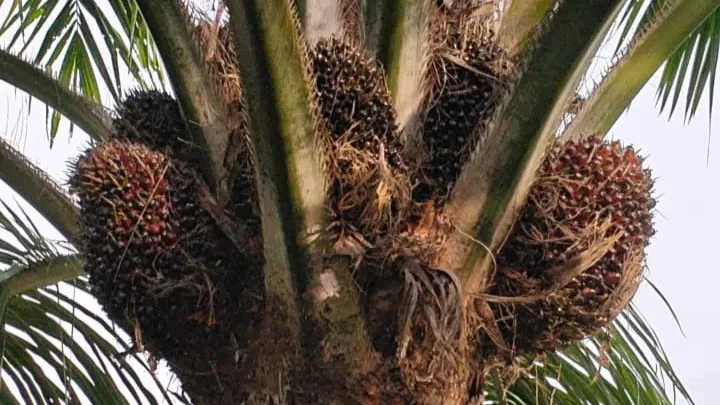
When the root zone is properly drenched and nutrient delivery improves, the palm can respond surprisingly fast.
In our field observations, stressed palms begin showing stronger vigour, improved spear opening and more active canopy development within weeks.
Where nutrient movement had been restricted by root damage or Ganoderma pressure, the palm begins to regain its ability to absorb, move and use what it needs.
The change is not only vegetative.
We have repeatedly observed stronger female flowering, improved fruit development and a more vigorous overall growth response.
The palm begins to behave less like a plant under chronic stress — and more like a plant recovering control of its own metabolism.
THIS IS NOT JUST FEEDING.
IT IS RESTORING FUNCTION.
Ganoderma management cannot be judged only by whether the palm remains standing.
The real measure is whether the palm begins functioning and producing again.
Ganoderma progressively interferes with root function, water movement, nutrient uptake and the palm's ability to support its canopy and developing bunches. Disease severity has been directly associated with major fresh-fruit-bunch yield losses in commercial plantations.
When root activity, water supply and nutrient availability improve, the palm can begin reallocating resources back into growth and reproduction.
This is where we look for visible field responses:
Stronger spear opening.
Faster canopy recovery.
Improved vegetative vigour.
More female inflorescences.
Better fruit set.
Improved fruit filling.
Larger bunch structure.
Heavier fresh-fruit bunches.
Longer productive survival.
These responses are biologically connected. Oil-palm bunch number, bunch weight and sex differentiation are strongly affected by the palm's physiological condition, particularly water and environmental stress.
Our field observations repeatedly show that once severely stressed palms begin responding to the programme, the change is not confined to Ganoderma symptoms.
THE WHOLE PALM CHANGES.
New growth becomes more vigorous.
Spear leaves open more normally.
Reproductive activity strengthens.
Female flowering becomes more prominent.
Developing bunches become fuller and heavier.
This is important because an infected palm that merely survives but produces poorly is still an economic loss.
Our objective is therefore two-sided:
CHECK GANODERMA PRESSURE — AND RESTORE THE PALM'S PRODUCTIVE CAPACITY.
A successfully managed palm should not merely look less sick.
IT SHOULD GROW, FLOWER, FILL BUNCHES AND PRODUCE AGAIN.
BIGGER BUNCHES. HEAVIER BUNCHES. STRONGER PALMS. LONGER PRODUCTIVE LIFE.
That is the result we are working towards.
GANODERMA MANAGEMENT SHOULD BEGIN BEFORE PLANTING.
A new planting should not begin with assumptions.
It should begin with soil preparation, biological conditioning, nutrient balance and protective rhizosphere engineering designed around the needs of the palm during its most critical establishment years.
Whether it is a nursery seedling, new planting or replanting programme, the planting environment should be prepared deliberately.
Not by guesswork.
Not by simply adding NPK and biomass.
Not by planting first and correcting problems later.
PREPARE THE ROOT ENVIRONMENT BEFORE THE ROOTS ARRIVE.
Replanting areas may contain old root residues, decomposing biomass, compacted zones, nutrient imbalances and biological conditions capable of carrying problems into the next generation of palms.
Site preparation should therefore consider:
THE NURSERY SHOULD NOT PRODUCE A NUTRITIONALLY DEFICIENT PALM.
A nursery medium containing mainly NPK, soil and some biomass should not automatically be considered complete nutrition.
Young palms require a considerably broader mineral and biological environment for root development, metabolism and natural defence.
The objective is not simply to produce a green seedling.
The objective is to produce a well-conditioned planting material entering the field with a functioning root system, adequate mineral reserves and an established protective biological environment.
PROTECTIVE ADMIXES SHOULD BE BUILT INTO THE SYSTEM.
Selected mineral, organic and biological components can be incorporated into nursery media, planting mixtures and replanting soil preparation.
Beneficial organisms should be introduced and supported under conditions that allow them to colonise, establish and remain active around the developing root zone.
The objective is sustained protection—not a temporary inoculation that disappears shortly after planting.
SULPHUR MUST BE PLANNED—NOT LEFT TO CHANCE.
Sulphur is not merely another fertiliser element.
It participates in plant metabolism, protein formation, nutrient utilisation and several defence-related biochemical processes.
For new planting and replanting programmes, sulphur requirements should therefore be calculated as part of the long-term establishment strategy, together with the accompanying elements required for its utilisation.
Where soil chemistry, formulation and application strategy permit, the programme should aim to establish an adequate sulphur reserve capable of supporting the palm through the critical early years of field establishment—potentially several years rather than several months.
PRECISION FARMING STARTS BEFORE PLANTING.
The requirement will differ between mineral soils, peat, replanted fields, former disease hotspots and nursery systems.
Therefore the correct approach is:
Analyse → Condition → Amend → Inoculate → Plant → Monitor
Not:
Plant → Wait → Observe Disease → React.
This does not necessarily make establishment substantially more expensive.
In many cases, it is simply a matter of using the right materials, in the right proportions, at the right stage, rather than spending repeatedly on corrective treatments later.
BUILD THE DEFENCE BEFORE THE DISEASE PRESSURE ARRIVES.
Scientific plantation management should aim to give every new palm the strongest possible beginning:
Conditioned soil.
Balanced mineral nutrition.
Adequate sulphur.
Protective microbiology.
Healthy root development.
A prepared rhizosphere.
Because the most economical time to manage a future Ganoderma problem may be before the new palm ever enters the ground.
PolySulphatePlus® was not developed to become another fertiliser placed around an infected palm.
It was developed from a different question:
What must be delivered back to a stressed palm, its roots and its biological environment for the whole system to begin functioning differently?
Its role within our programme is to provide a broad mineral and sulphur-based foundation that can be combined with selected nutrients, biological inputs and estate fertilisers according to field requirements.
It is used together with:
Root-zone rehabilitation.
High-volume drenching.
Microbiome management.
Sulphur metabolism.
Trace-element correction.
Palm nutrition.
Water-stress management.
Whole-palm treatment.
Husbandry and monitoring.
The material has undergone independent laboratory characterisation by ALS, an international analytical laboratory group. ALS Malaysia operates under MS ISO/IEC 17025:2017 accreditation.
The laboratory analysis tells us what is present.
Our expertise determines why it is used, what it is combined with, how it is delivered, when it is repeated and how the palm is monitored afterwards.
That distinction is important.
WE ARE NOT SELLING A BAG OF INPUTS.
We are delivering a Ganoderma management system — and PolySulphatePlus® is one of its specialised tools.
You do not need to accept our claims immediately.
Give us a defined block of affected palms and let the field decide.
We begin with a controlled trial based on actual estate conditions.
Selected palms are documented before treatment, including visible Ganoderma condition, canopy status, spear development, flowering, bunch condition, soil condition and general palm vigour.
The complete management programme is then applied according to field requirements.
We monitor:
Ganoderma progression.
Palm survival.
Spear opening.
Canopy recovery.
Female flowering.
Fruit development.
Bunch size.
Bunch weight.
Overall productive response.
Where practical, untreated or conventionally managed palms can be retained for comparison.
The purpose is simple:
MEASURE THE RESPONSE. DOCUMENT THE CHANGE. DECIDE FROM RESULTS.
If the palms respond, the programme can then be expanded to a larger block or estate-wide strategy.
No estate needs to begin with a full commitment.
START SMALL. MEASURE PROPERLY. SCALE ONLY WHEN THE FIELD PROVES IT.
You do not need to change an entire estate overnight.
There are three practical ways to begin.
1. START WITH AN ESTATE TRIAL
Give us a selected Ganoderma-affected block.
We assess the palms, establish the baseline and implement the complete field programme — including PolySulphatePlus®, root-zone drenching, nutritional correction, biological support and the required husbandry protocol.
We then monitor what matters:
Palm recovery • Ganoderma progression • Spear opening • Flowering • Bunch development • Bunch weight • Yield response
Start with evidence. Expand when the results justify it.
2. MOVE INTO AN ESTATE-WIDE TECHNICAL PROGRAMME
Once the estate understands the approach, we can develop a programme around its own soil, palm age, Ganoderma pressure, nutrition, rainfall conditions and existing field practices.
This is not simply the supply of PolySulphatePlus®.
It is the protocol behind it — application strategy, admixtures, drenching, microbiome support, nutrition, monitoring and continuous technical adjustment.
We work with your agronomists and field team — not around them.
3. JOIN OUR 2-DAY TECHNICAL MASTERCLASS — KUALA LUMPUR
For estate owners, plantation managers, agronomists, researchers, consultants and serious industry professionals.
Two intensive days covering:
Ganoderma • Root-zone management • Soil fertility • Microbiome • Sulphur • Trace elements • Treatment delivery • Palm recovery • Flowering • Yield • Field protocols
This is not an introductory Ganoderma course.
It is a working session on how we rethink the entire Ganoderma management system.
START WITH THE OPTION THAT FITS YOU.
Trial it.
Implement it.
Or come and understand the science behind it.
A technical monograph on sulphur physiology in oil palm — the metabolic, antioxidant and antifungal chemistry behind our root-zone approach.
Read MorePetaling Jaya • December 2026
Venue and final dates subject to confirmation upon registration.
An intensive two-day technical programme for professionals who want to understand Ganoderma from a much wider perspective:
This is not an introductory Ganoderma seminar.
The programme examines why Ganoderma continues to defeat conventional approaches — and how soil biology, plant nutrition, sulphur metabolism, trace elements, treatment delivery and palm physiology can be integrated into a more comprehensive management strategy.
The programme combines plant physiology, soil science, fungal biology, nutrition and practical field observations developed from years of work with Ganoderma, mushrooms, oil palm and agricultural rehabilitation.
Participants will leave with a different framework for looking at the Ganoderma problem — and practical concepts that can be evaluated in their own estates.
6A, Office Suite, Scott Sentral,
No. 28 Jalan Scott Brickfields,
50470 Kuala Lumpur
Monday to Friday
9 am – 5 pm
Lunch Hour: 1.00 pm – 2.00 pm